

Updated: November 5, 2026 · By the Elder Welder Team
Disclosure: We make the Elder Welder vent safe and outlet safe discussed below. We don't earn anything from the other products in this guide. Prices and ratings come from Amazon.com and elderwelder.us on November 5, 2026 and change often.
Short answer: Choose a vent safe if you want documents, passports and cash hidden in a spot nobody thinks to search, with a small install. Choose a larger in-wall safe between studs if you need more space and are fine with a visible door behind a picture or mirror. Both fit a standard 16-inch stud bay. Neither is a certified safe.
A vent safe is a small hidden wall safe disguised as an ordinary air vent or return grille; it is not connected to your heating or cooling ducts. The Elder Welder vent safe is a metal box behind a real-looking vent cover that sits in the wall cavity between two studs, while a typical in-wall safe between studs is a taller steel box with a visible door and a keypad or dial.
What is the difference between a vent safe and an in-wall safe?
The difference is how they hide: a vent safe hides by looking like something else, while an in-wall safe hides only as long as the picture, mirror or cabinet in front of it stays in place.
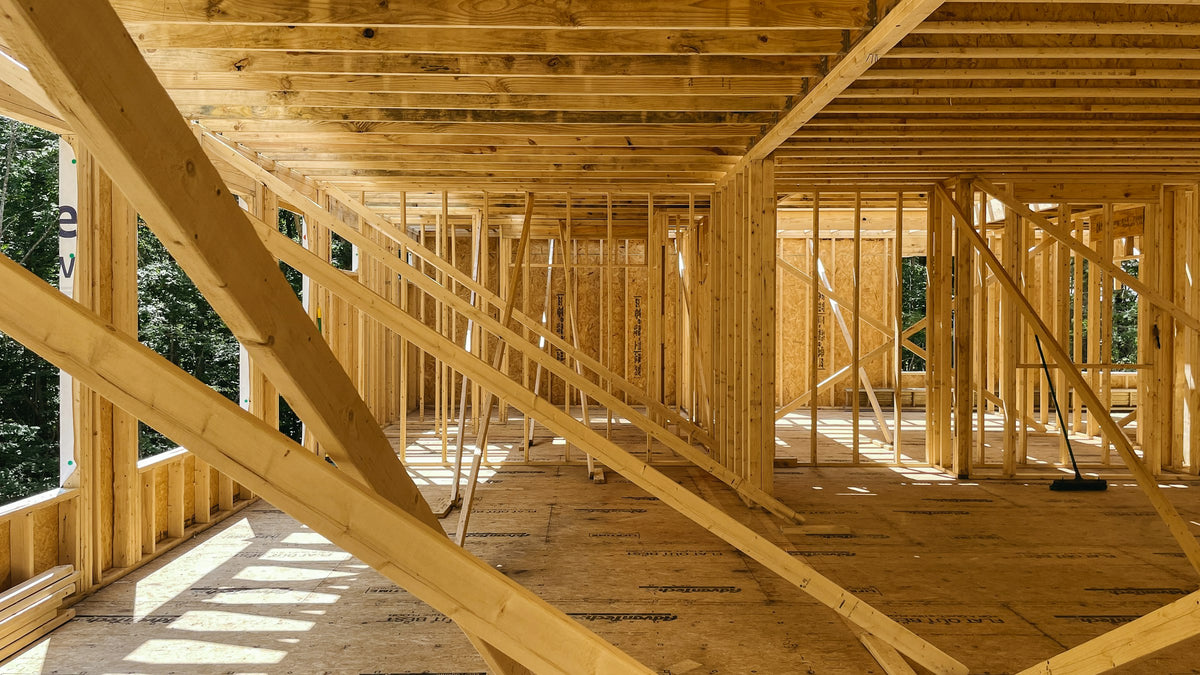
Both use the same space: the hollow cavity between two wall studs. In most US homes interior walls are framed with 2x4 studs, usually 16 inches on center, which leaves a bay about 14.5 inches wide and 3.5 inches deep. A vent safe uses a short section of that bay behind a grille. An in-wall safe between studs often runs 20 to 50 inches tall and is meant to be found by you, not overlooked by everyone else.
How do they compare on price, size and install?
A vent safe costs less to install and is harder to spot; an in-wall safe holds much more but is easier to recognize once it is uncovered.
| Option | Price and rating (Amazon.com, Nov 5, 2026) | Space | Best for | Trade-off |
|---|---|---|---|---|
| Elder Welder Vent Safe (combination or fingerprint) | $129.97–$159.97 · 4.4★ (144 ratings, combination) | 300+ cu in | Passports, documents, cash, a watch box | Needs a wall where a vent looks natural |
| Elder Welder Outlet Safe (single or double) | $29.97–$74.97 · 4.4★ (525 ratings) | About 30 or 50 cu in | Cash, rings, a spare key | Too small for a passport |
| Short in-wall safe between studs (e.g., Tiskgg 22.05", combination) | $109.99 · 4.5★ (191 ratings) | Shelves, roughly 22 in tall | Cash reserves, document folders | Visible door; needs a picture or mirror in front |
| Tall in-wall safe between studs (e.g., GUVELI 33.46") | $149.99 · 4.3★ (347 ratings) | Shelves, roughly 33 in tall | Larger collections, binders | Bigger cut-out; obvious once uncovered |
Neither of our safes is a working vent or a working outlet. They are hiding places designed to blend in.
When is a vent safe the better choice?
A vent safe is the better choice when staying unnoticed matters more than raw capacity.
- It hides in plain sight. A grille near the floor or ceiling is normal in almost any room, so there is nothing to lift or move.
- Small install. The Elder Welder vent safe comes with a mounting template, four screws for stud attachment and written and video guides. Most people finish in under 20 minutes in drywall.
- Enough space for papers. 300+ cubic inches takes passports, a birth certificate, an envelope of cash or a watch box.
- Quick access. Choose a combination lock or a fingerprint lock.
Elder Welder Vent Safe
The Elder Welder vent safe pairs a real vent cover with a metal box and a removable drawer. It fits between standard 16-inch studs and comes with a combination lock (two keys for setup and backup) or a fingerprint lock.
When is an in-wall safe between studs the better choice?
An in-wall safe between studs makes sense when you need shelves of space and can keep the door permanently covered.
- More room. Tall models hold binders, larger stacks of cash and bulky items.
- Shelves and a full door. Easier to organize than a single box.
- But it looks like a safe. Once the mirror or painting comes off the wall, nobody wonders what it is. Behind wall art and inside the closet are also among the first places a search covers.
- Bigger job. A tall cut-out means more drywall work, and you need a stud bay free of wiring, pipes and ducts for its whole height.
Can you use both?
Yes, and splitting valuables is a sensible approach: keep documents and a cash reserve in a vent safe and small everyday items in an outlet safe, so one discovery doesn't cost you everything.
A small outlet safe works well for a ring, a spare key or folded bills you reach often. If you are torn between our two models, read Outlet Safe vs. Vent Safe: Which Hidden Safe Fits Your Home? To compare every type, see our best hidden safes for home ranking.
What should you check before cutting into a wall?
Check the stud bay first: it must be empty of wiring, pipes and ductwork for the full height of the safe.
- Use a stud finder with AC wire detection, and look at what sits on the other side of the wall.
- Avoid exterior walls with insulation and bays next to bathrooms or kitchens, where pipes often run.
- Put a vent safe where a vent makes sense, for example low on a hallway or bedroom wall, and match the grille color to other vents in the room.
- Renters should ask the landlord before cutting drywall.
- If you are unsure what is inside the wall, ask an electrician or contractor.
Is a vent safe or an in-wall safe right for firearms?
Neither our vent safe nor our outlet safe is a gun safe. Keep firearms locked and unloaded, out of reach of children, in storage made for them, and know your state and local laws, including child access prevention (CAP) laws.
What hidden wall safes can and can't do
A vent safe keeps documents and cash hidden in plain sight and quick for you to reach. It is concealment, not a certified safe. It isn't rated for burglary, fire or water, and it can't stop someone with lots of time, tools or inside knowledge. The FBI estimates 661,800 burglaries in the United States in 2025, 53.4% of them at residential properties, so locks, lighting and an alarm stay your first line of defense; a hidden safe is an extra layer.
Frequently asked questions
What is a vent safe?
A vent safe is a small hidden wall safe disguised as an ordinary air vent or return grille; it is not connected to your heating or cooling ducts. The Elder Welder vent safe is a metal box behind a real-looking vent cover that installs between two wall studs.
Will a vent safe fit between studs?
Yes. The Elder Welder vent safe is made for standard 16-inch stud spacing and attaches to the studs with four screws. Check that the bay is free of wiring, pipes and ducts before you cut.
Is a vent safe better than an in-wall safe?
It is better at staying unnoticed and easier to install. An in-wall safe between studs holds much more but is obvious once the picture or mirror in front of it is moved. Many people use a vent safe for documents and a small outlet safe for everyday items.
How much fits in a vent safe?
The Elder Welder vent safe holds over 300 cubic inches, enough for passports, documents, cash or a watch box.
Is a vent safe fireproof?
No. A vent safe is concealment, not a certified safe, and it is not fireproof or waterproof. Keep originals you cannot replace in a fire-rated safe or a bank safe deposit box.
Sources
- FBI, Reported Crimes in the Nation, 2025 (Crime Data Explorer): burglary estimate and residential share, data year 2025.
- Prices and ratings: Amazon.com product pages and elderwelder.us, checked November 5, 2026.
Share:
Fall Back: Home Security Checklist for Darker Evenings